Conference Program
Wednesday, 14 October 2026
17:00 Registration
19:30 Welcome Party in the Grand Foyer of the Grand Elysée Hotel Hamburg at the invitation of the exhibitors/sponsors.
Thursday, 15 October 2026
7:30 Registration
8:30 - 18:00 Presentations in the large conference room of the Grand Elysée Hotel
Session I | Business Environment
8:30 - 10:20
Chair: Raoul Klingner and Harald Schwab (Fraunhofer WKI)

-
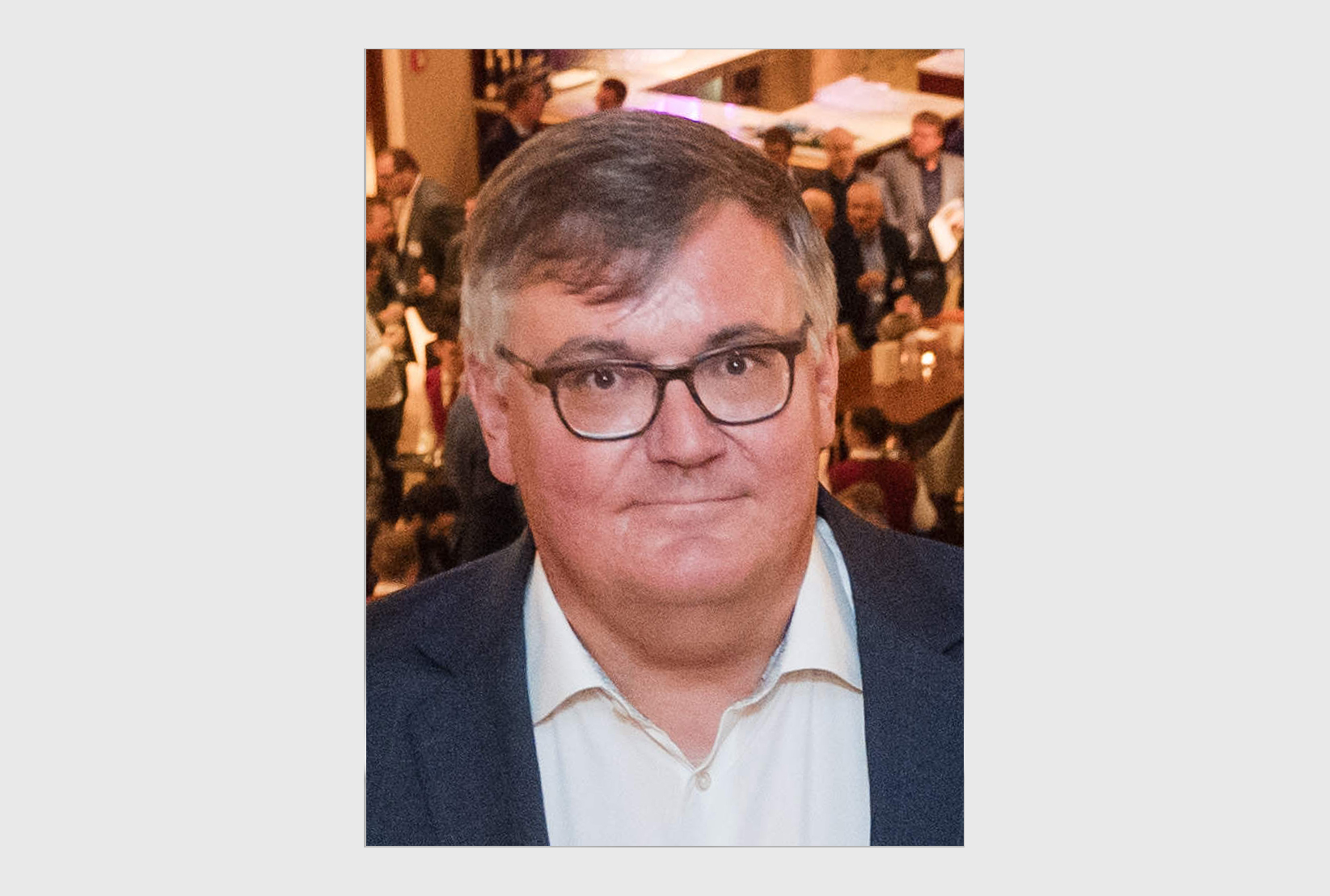 Kris Wijnendaele European Panel Federation ........................................................................ Welcome and OpeningKris Wijnendaele
Start: 8:30
Welcome and OpeningKris Wijnendaele
European Panel Federation -
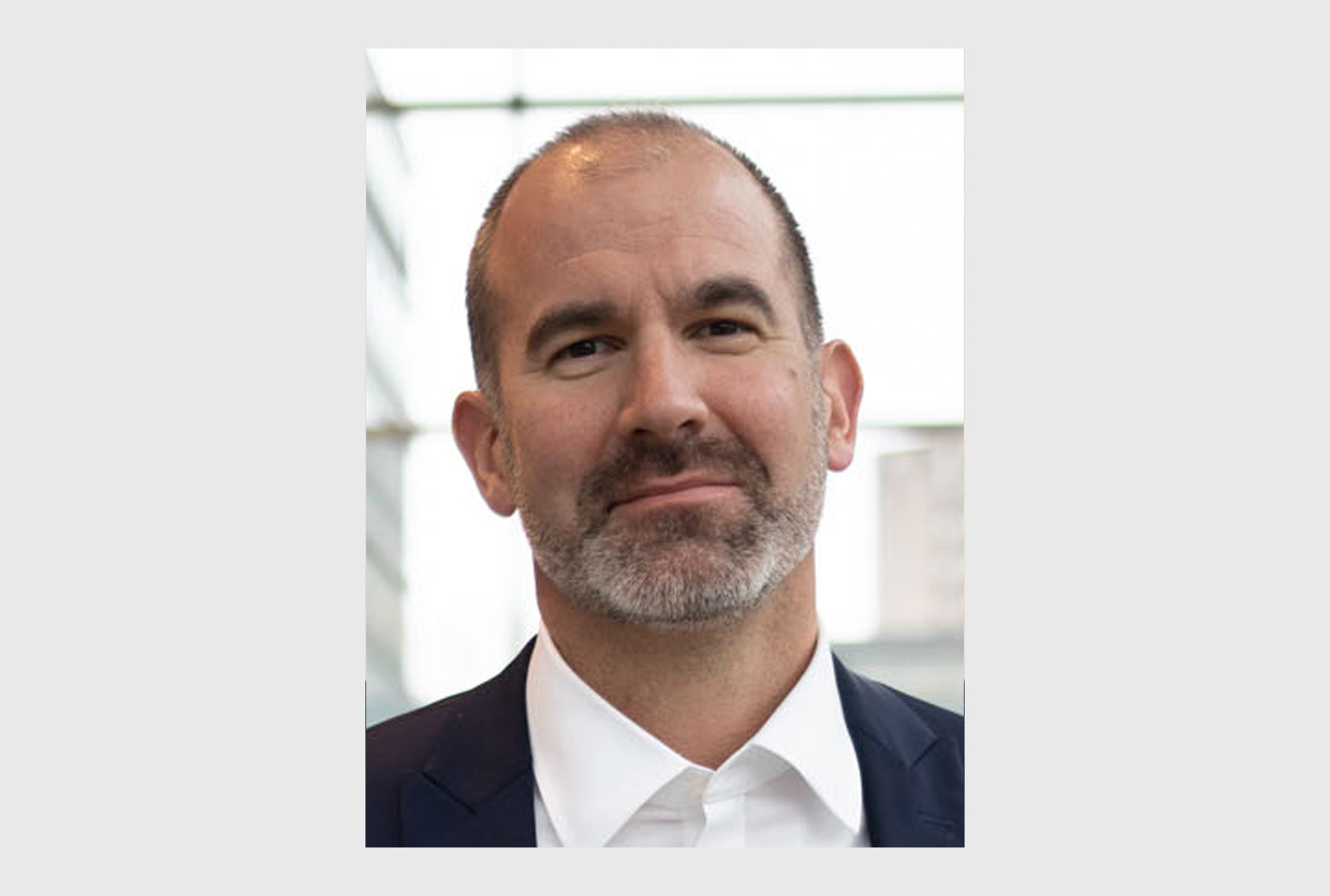 Raoul Klingner Fraunhofer WKI ........................................................................ Welcome and OpeningRaoul Klingner
Start: 8:30
Welcome and OpeningRaoul Klingner
Fraunhofer WKI
-
 Katharina Fegebank Free and Hanseatic City of Hamburg ........................................................................ GreetingsKatharina Fegebank
Start: 8:45
GreetingsKatharina Fegebank
Free and Hanseatic City of Hamburg -
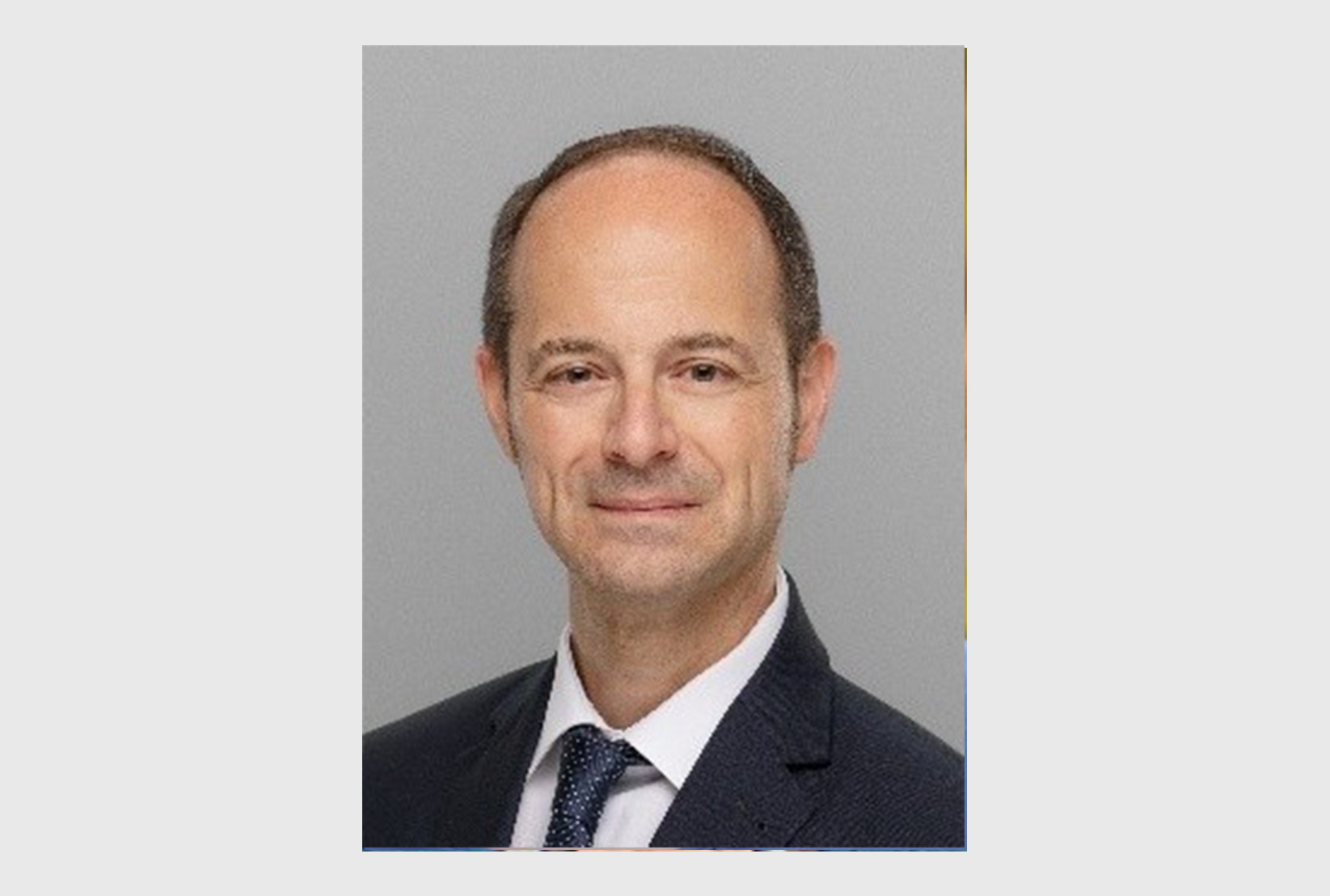 Thomas Wybierek Nord/LB ........................................................................ Economical view: Navigating through rough "C"Thomas Wybierek
Start: 9:00
Economical view: Navigating through rough "C"Thomas Wybierek
Nord/LB
ABSTRACT
The economy has been in a challenging environment not only since the beginning of the current decade. Since then, keywords such as polycrisis, new normal, disruption, de- and reindustrialization as well as transformation have been constant companions for all market participants, whether on the capital market or in the real economy. This makes it all the more important to stay on course and to be able to cope with shoals and storms.
-
Raoul Klingner Fraunhofer WKI ........................................................................ Wood based Panels - a driver for innovation and circularityRaoul Klingner
Start: 9:20
Wood based Panels – a driver for innovation and circularityRaoul Klingner
Fraunhofer WKI
ABSTRACT
The wood-based materials industry faces the challenge of simultaneously meeting rising demands for sustainability, resource efficiency, and product quality. Digital technologies are opening up new opportunities along the entire value chain and are emerging as a key driver of innovation for the industry.
This presentation highlights how digitalization, sensor technology, and intelligent data analytics are enabling the transformation from traditional production to a connected, adaptive, and circular wood-based materials industry. Modern sensor systems provide real-time information on raw materials, processes, and products. Combined with data analytics and artificial intelligence, these systems can predict quality characteristics, continuously optimize production parameters, and identify maintenance needs early on. This enables predictive maintenance, reliable quality forecasting, and demand-driven “just-in-time” production.
Adaptive, intelligent control strategies are of particular importance here; for example, they dynamically adjust the use of binders to fluctuations in raw materials and processes. This reduces scrap volumes, lowers energy and adhesive consumption, and minimizes emissions. At the same time, higher and reproducible product quality can be achieved.
Furthermore, the digital collection and linking of product and process data lay the foundation for the Digital Product Passport. In the future, this will play a central role in the traceability of materials, the assessment of sustainability performance, and the closure of material cycles. Wood-based materials can thus not only stand out as climate-friendly products, but also as pioneers of a data-driven circular economy.
The presentation offers a view into how digital technologies can strengthen the competitiveness of the European wood-based materials industry and pave the way for resource-efficient, low-emission, and circular production.
-
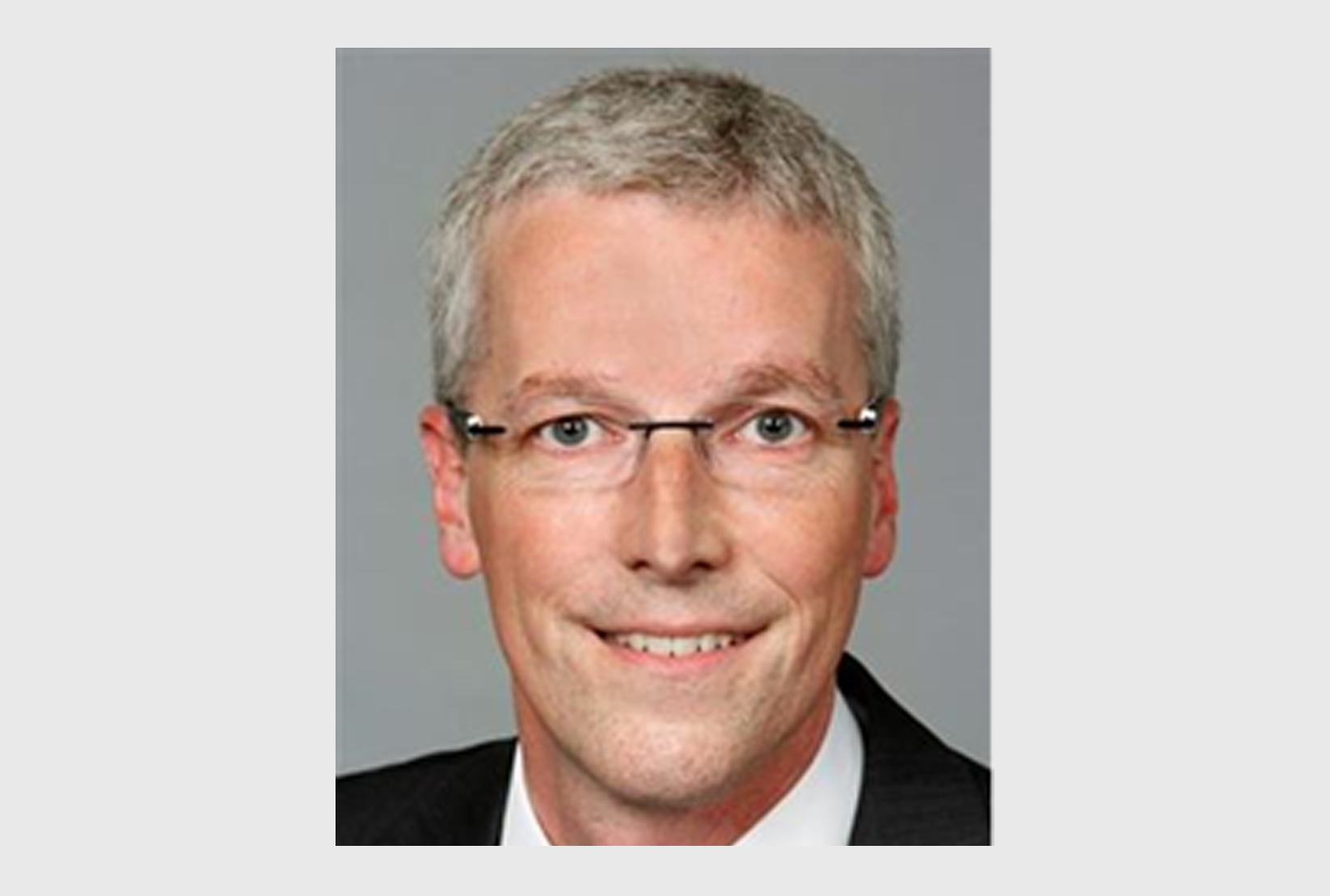 Philipp Sprockhoff EPF Managing Board ........................................................................ The European wood-based panel industry at a crossroads: Competitiveness challengesPhilipp Sprockhoff
Start: 9:40
The European wood-based panel industry at a crossroads: Competitiveness challengesPhilipp Sprockhoff
EPF Managing Board -
 Edi Snaidero European Furniture Industries Confederation EFIC ........................................................................ European furniture industry: Geopolitical tensions, regulatory demands and industry competitivenessEdi Snaidero
Start: 10:00
European furniture industry: Geopolitical tensions, regulatory demands and industry competitivenessEdi Snaidero
European Furniture Industries Confederation EFIC
ABSTRACT
The European furniture industry faces growing challenges from geopolitical tensions, economic uncertainty, increasing regulatory demands and intensified global competition. Recent trade disputes, tariffs, supply chain disruptions and changing global market dynamics have created additional pressures for European manufacturers and particularly SMEs, which are at the heart of the sector.
At the same time, the industry is adapting to an ambitious sustainability agenda, including upcoming requirements under the Ecodesign for Sustainable Products Regulation (ESPR) and other EU initiatives. While supporting environmental objectives, the sector is concerned about the cumulative impact of regulatory obligations and the need to ensure that implementation remains practical, proportionate and innovation friendly.
This presentation explores how the European furniture industry can remain competitive while contributing to Europe’s sustainability goals. It examines the impact of global trade developments, regulatory change and digitalisation on the sector’s future. It argues that competitiveness, sustainability and industrial resilience must go hand in hand, supported by a predictable regulatory framework, fair competition and effective enforcement.
10:20 Coffee Break
Session II | Framework Conditions
11:15 - 12:45
Chair: Alen Bukvic (Hywax GmbH)
-
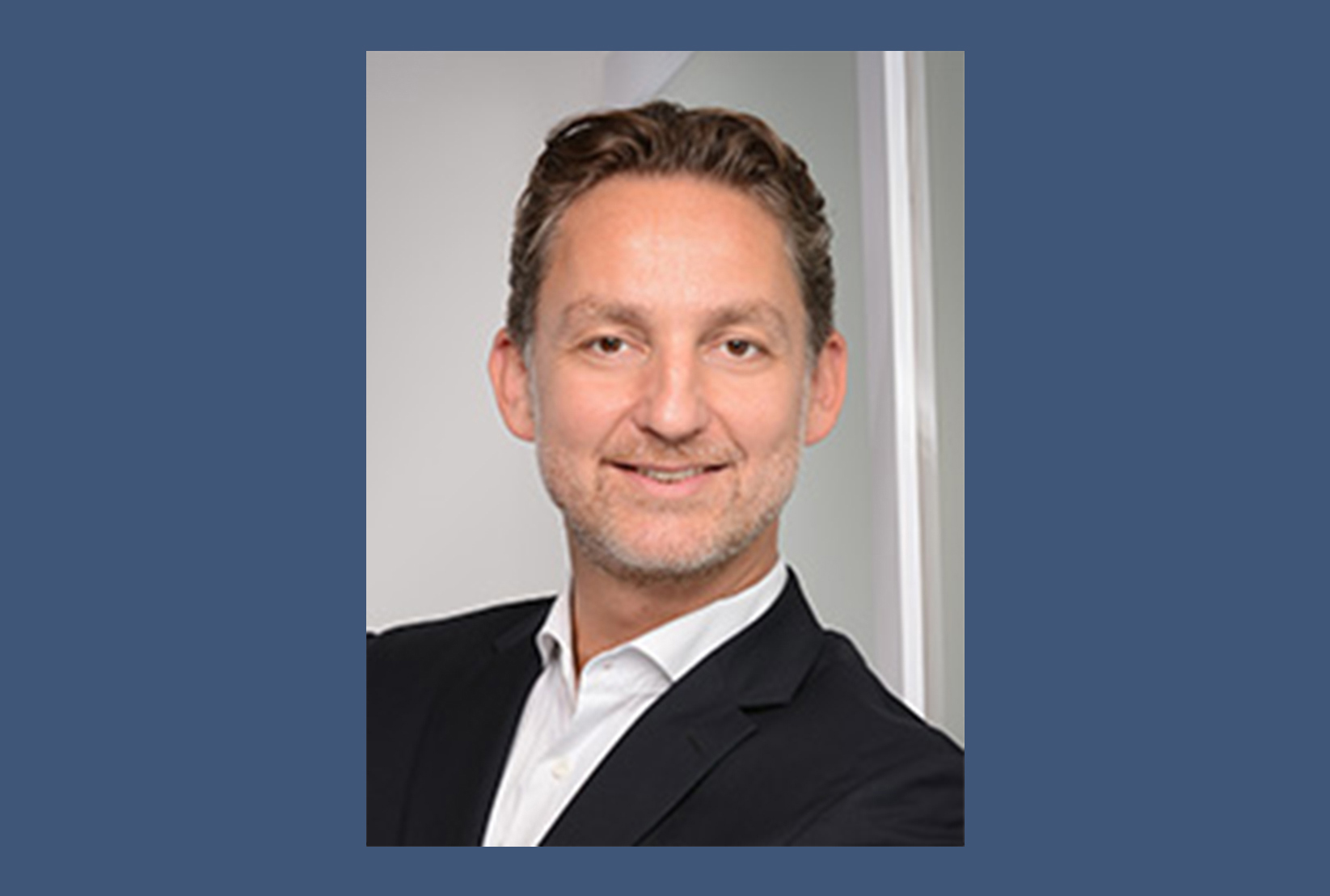
 Dirk Notz Hamburg University ........................................................................ Of ice and wood: a climate change perspectiveDirk Notz
Start: 11:15
Of ice and wood: a climate change perspectiveDirk Notz
Hamburg University
ABSTRACT
It might occur as a strange combination: The polar ice sheets and wood as a building material. But the flow of carbon in our planet’s atmosphere brings them together. Ice sheets are melting at an accelerating rate because of the carbon-dioxide induced global warming, while trees are storing carbon in their wood, thus slowing down the rise in global temperature.
In this presentation, I will shed some light on the connection between the wood-panel industry and climate change, with a focus on the polar regions. I will outline why the building industry, more than many other industry sectors, has a major leverage to tackle global climate change, and how these potential actions today can affect future generations for centuries to come. -
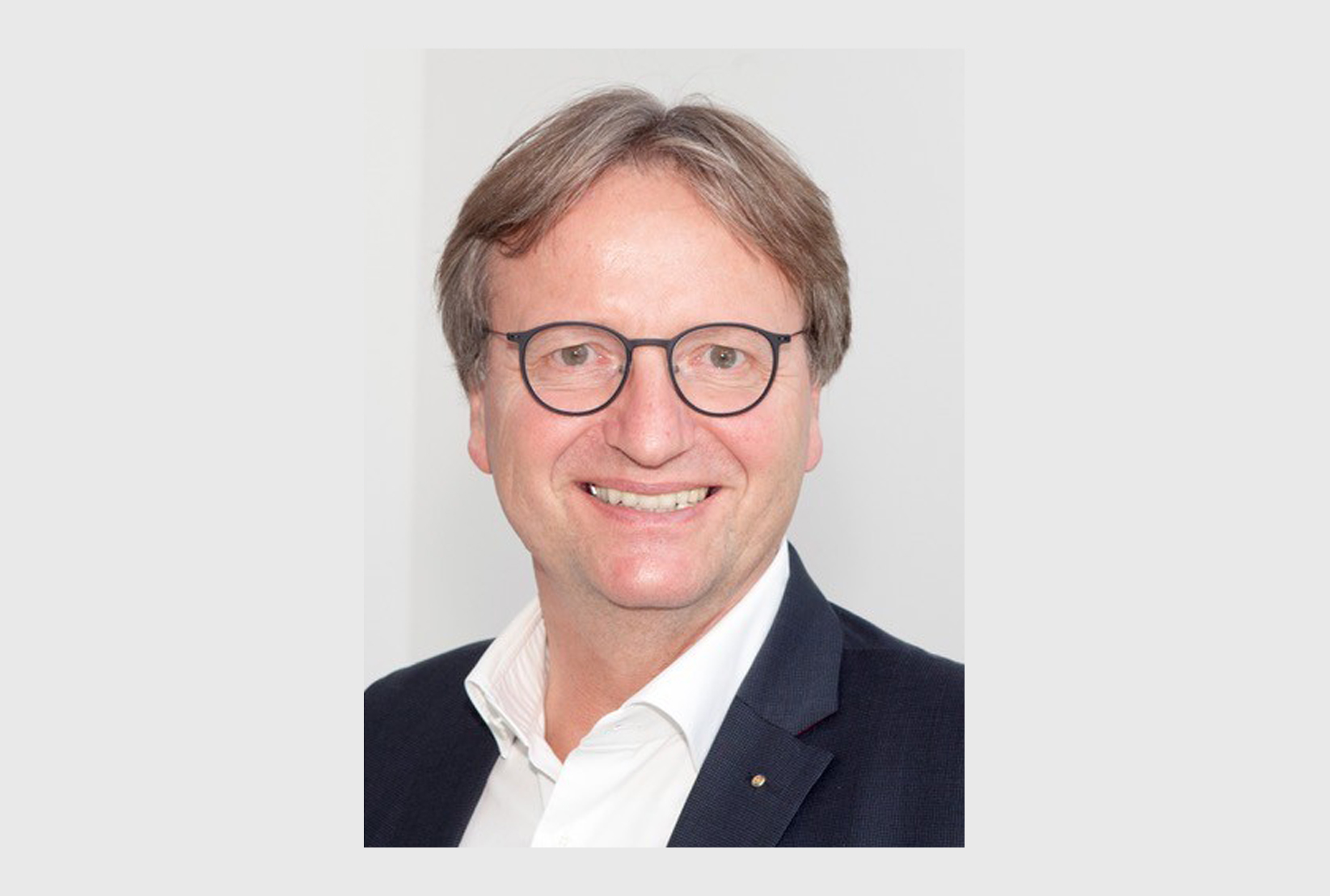 Stefan Winter Bauert Konstruktions GmbH & Co. KG | TU München ........................................................................ The current state of timber construction in Germany and around the world: Opportunities and risks for traditional wood-based materialStefan Winter
Start: 11:45
The current state of timber construction in Germany and around the world: Opportunities and risks for traditional wood-based materialsStefan Winter
Bauert Konstruktions GmbH & Co. KG | TU München
ABSTRACT
Timber construction continues to experience strong growth. However, its success is not guaranteed. Significant efforts are still required to remain competitive in the market. While the European design standards Eurocodes have been completed, further challenges remain in the area of construction product standardization.
Serial and prefabricated construction is a natural strength of timber construction, yet it is still only gaining acceptance slowly. And despite the development of building regulations, although some unjustified restrictions still persist.
The major advantage of long-term carbon storage—and thus climate protection—through timber construction is still not convincing enough for many customers to accept higher construction costs. At the same time, forests are changing and competition for wood resources is intensifying.
This presentation outlines these developments in detail and provides a look toward the future.
-
 Bettina Meyer Fraunhofer WKI ........................................................................ REACH regulation formaldehyd. Meeting REACH requirements, understanding ECHA, avoiding risks.Bettina Meyer
Start: 12:15
REACH regulation formaldehyd. Meeting REACH requirements, understanding ECHA, avoiding risks.Bettina Meyer
Fraunhofer WKI
ABSTRACT
“REACH” denotes the “Regulation concerning the Registration, Evaluation, Authorization and Restriction of Chemicals”, one of the most stringent international chemical regulatory frameworks. It assigns legal responsibility to manufacturers, importers and downstream users for chemicals and products placed on the European market.
The presentation provides a concise overview of REACH fundamentals, formaldehyde-related activities, affected articles, exemptions and selected product-group examples. It analyses the new EU formaldehyde requirements, including limit values, test parameters, implementation timelines, and regulatory implications for Europe.
It further examines the ECHA working group’s activities and the expert-developed “REACH Guidance Paper”, which addresses methodological gaps in Annex 14 testing requirements.
12:45 Lunch Break
Session III | Artificial Intelligence
14:15 - 15:45
Chair: Dorothee Flötotto (Sauerländer Spanplatten GmbH & Co. KG)
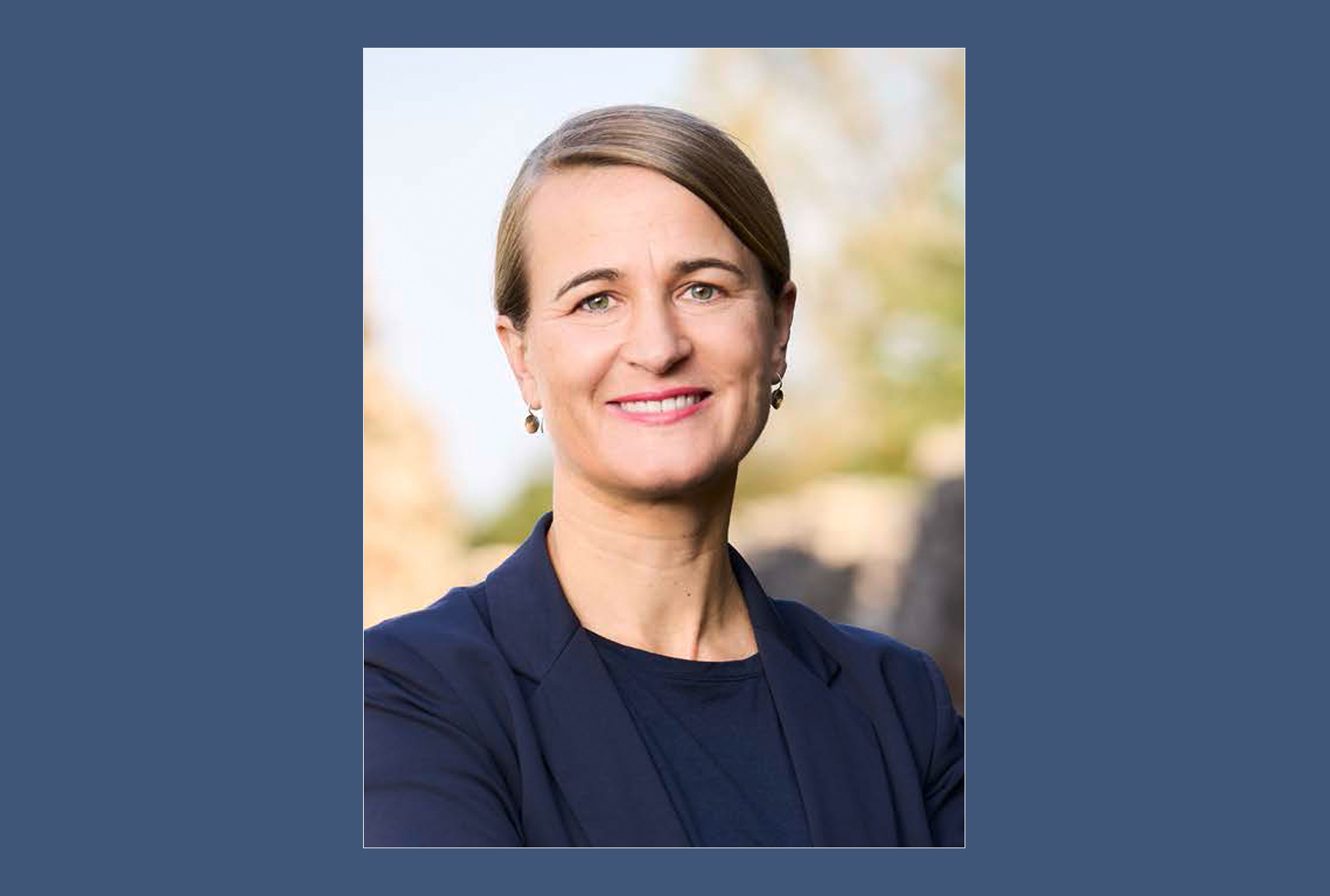
-
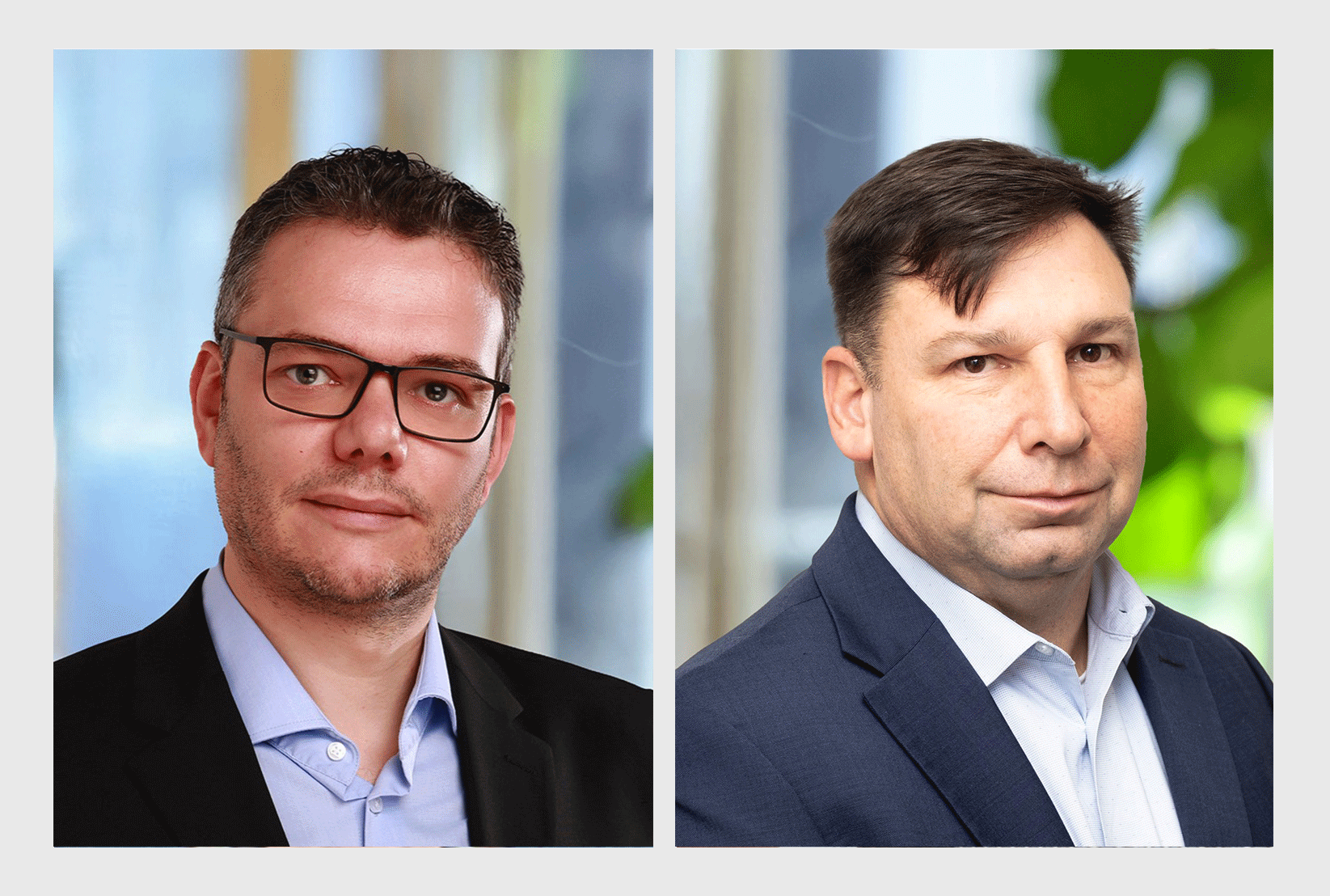 Thibault Straumann | Brian Keith Richmond Smartech - A Hexion Company ........................................................................ Augmenting wood-based operators with industrial AI: From data-driven support to data-driven decisionsThibault Straumann | Brian Keith Richmond
Start: 14:15
Augmenting wood-based operators with industrial AI: From data-driven support to data-driven decisionsThibault Straumann | Brian Richmond
Smartech - A Hexion Company
ABSTRACT
Every press cycle produces data, but data alone does not improve mill performance. Operators must still interpret disconnected signals, weigh competing production priorities, and act before laboratory results confirm whether the process is moving toward or away from specification.
This presentation examines how industrial AI can close the gap between seeing what is happening and deciding what to do next. A connected intelligence layer that brings together process conditions, board-quality results, laboratory information, and production history to create a shared operational context. AI can then reveal hidden sources of variability, anticipate quality or process instability, and provide operators with recommendations relevant to the current recipe and line condition.
And this should not be just another dashboard. True advantage lies in having a decision-support layer that helps operators respond earlier, apply expertise more consistently, and operate with greater confidence. The presentation will also explore how assisted intelligence can evolve toward controlled process optimization while keeping operators at the center of production decisions.
-
 Kevin Gleich | Gregor Bernardy KIT Karlsruher Insitute of Technology | G. Siempelkamp GmbH & Co. KG ........................................................................ AI-based end-to-end digitalization in the wood-panel industry - from chips to finished boardsKevin Gleich | Gregor Bernardy
Start: 14:45
AI-based end-to-end digitalization in the wood-panel industry – from chips to finished boardsKevin Gleich
KIT Karlsruher Insitute of TechnologyGregor Bernardy
G. Siempelkamp GmbH & Co. KG
ABSTRACT
While the long-term vision of an AI-based process control is clear, the practical transition is frequently characterized by a lack of structured methodologies and unsystematic integration strategies. Hereby, such approaches require an end-to-end digitization of the value chain to incorporate the necessary information and implicit expert knowledge. Accordingly, the path towards this goal comprises subsystems and steps that progressively support the human operator and simultaneously enable step-by-step automation of the entire process control. In recent years, an increasing number of Artificial Intelligence (AI) approaches and methods have also been adapted for different applications in the wood-panel industry. Such an approach for a stepwise, modular AI-driven process automation in the wood-panel industry was developed following the CRISP-DM process [1] and tested as part of the champI4.0ns project (champi40ns.eu).
[1] J. S. Saltz, ‘CRISP-DM for Data Science: Strengths, Weaknesses and Potential Next Steps’, in 2021 IEEE International Conference on Big Data (Big Data), Orlando, FL, USA: IEEE, Dec. 2021, pp. 2337–2344. doi: 10.1109/BigData52589.2021.9671634.
-
 Adrian Tißen | Marius Frye Dieffenbacher GmbH ........................................................................ Changing environmental challenges for the WBP industry: Shaping the future of drying and emission control technologiesAdrian Tißen | Marius Frye
Start: 15:15
Changing environmental challenges for the WBP industry: Shaping the future of drying and emission control technologiesAdrian Tißen | Marius Frye
Dieffenbacher GmbH
ABSTRACT
Drying in the wood-based panels industry (PB, OSB, MDF) and the treatment of dryer exhaust gases are evolving due to climate change, rising energy costs, and stricter EU regulations. The European Green Deal and Directive (EU) 2024/1785 promote resource-efficient, low-emission technologies. Water scarcity and high energy prices are pushing the industry toward energy- and resource-efficient processes. In PB and OSB production, directly and indirectly heated drum dryers, closed-loop dryers, and low-temperature belt dryers are used. Direct dryers are robust but emission-intensive, while indirect dryers reduce emissions. Closed-loop systems enable heat and moisture recovery, and low-temperature belt dryers efficiently use low-calorific heat while ensuring gentle drying. In MDF production, fresh-air, two-stage, and recirculation dryers are common. Closed-loop dryers with superheated steam recover energy and water and eliminate air emissions. Future developments will require retrofits and innovative exhaust air treatment systems to balance efficiency, safety, and compliance with emission limits.
15:45 Coffee Break
Session IV | Recycling
16:30 - 18:00
Chair: Kris Wijnendaele (European Panel Federation)
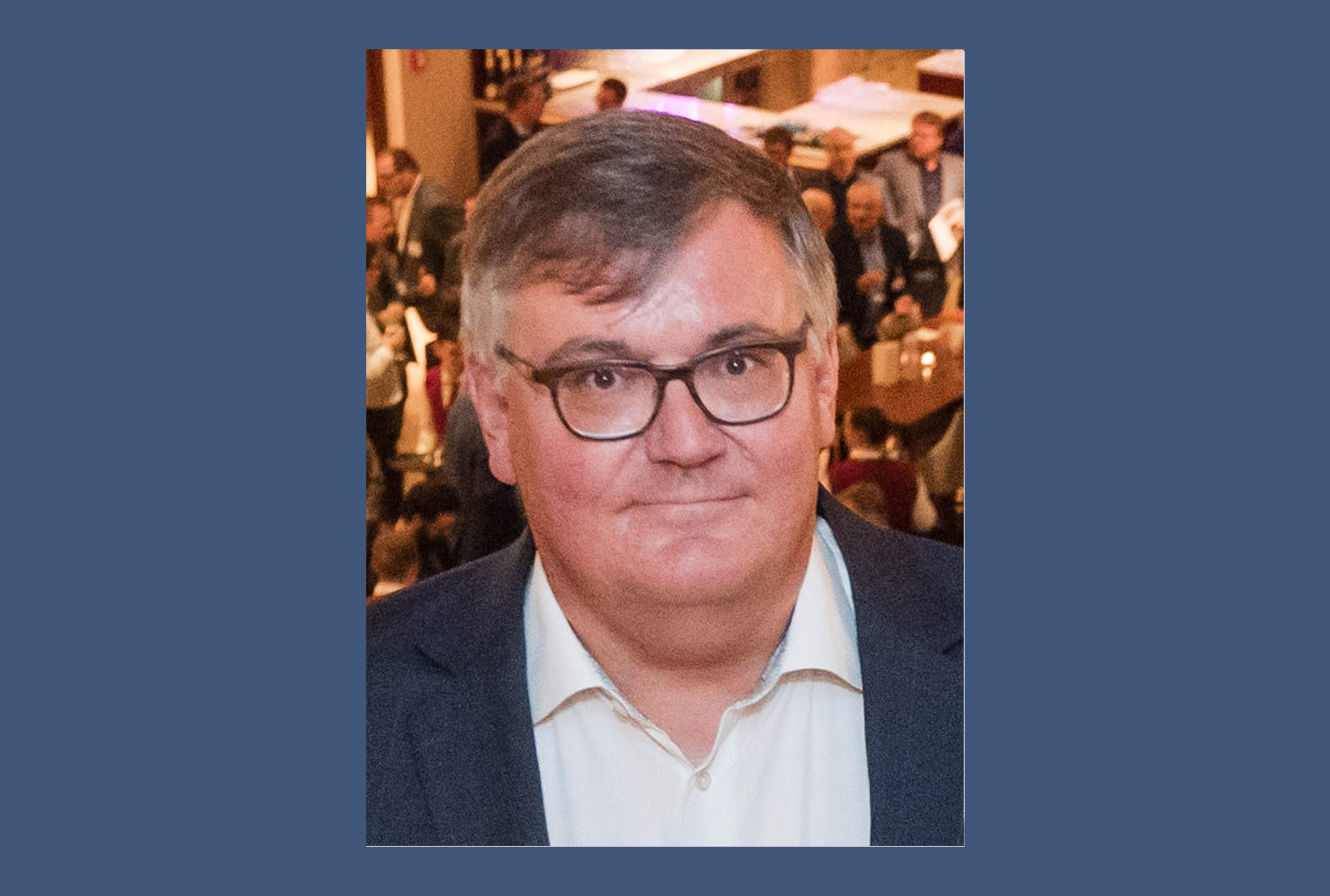
-
 Mark Irle ESB École Supérieure du Bois ........................................................................ Recycling fibreboard via EcoReFibre technologiesMark Irle
Start: 16:30
Recycling fibreboard via EcoReFibre technologiesMark Irle
ESB École Supérieure du Bois
ABSTRACT
Medium-density fibreboard (MDF) is currently manufactured almost exclusively from virgin wood fibres, while post-consumer fibreboard is largely downcycled or used for energy recovery. The Horizon Europe EcoReFibre project developed and validated technologies to close this material loop through industrial demonstrations covering the entire recycling value chain. Advanced sensor-based sorting produced high-purity fibreboard and solid wood fractions (>95%), which were processed using steam-assisted, dry-impact and modified thermo-mechanical pulping technologies. Recycled fibres and fines were successfully reintegrated into industrial products, including particleboard, MDF, HDF, insulation materials, bioblocks and Cyclic Thin Board. Industrial trials demonstrated substitution rates of up to 20% in particleboard and 25% in fibreboard without significant loss of performance. While challenges remain regarding feedstock homogeneity, pre-processing and process adaptation, the results confirm the technical feasibility of large-scale fibreboard recycling and provide a viable pathway towards circularity in the wood-based panel industry.
-
 Geert Coudenys Unilin Panels ........................................................................ Osiris - Breakthrough recycling technology for MDF/HDFGeert Coudenys
Start: 17:00
Osiris – Breakthrough recycling technology for MDF/HDFGeert Coudenys
Unilin Panels
ABSTRACT
MDF currently lacks an effective recycling pathway, limiting its contribution to a circular material use. Osiris introduces a process that enables the recovery of high-quality wood fibres from MDF waste while preserving their performance characteristics. The technology allows the reuse of different waste streams, supporting improved circularity and addressing increasing market requirements on sustainability. Moreover, Osiris contributes to reducing raw material cost (virgin wood) substantially. Validation results show that recycled fibres can replace virgin material without compromising technical properties, while also contributing to lower raw material and energy needs. Overall, Osiris provides a scalable approach to support the transition of the wood fibreboard industry towards more circular practices. Fully developed by Unilin inhouse, and operational on an industrial scale, Osiris is ready to transform the wood fiberboard industry.
-
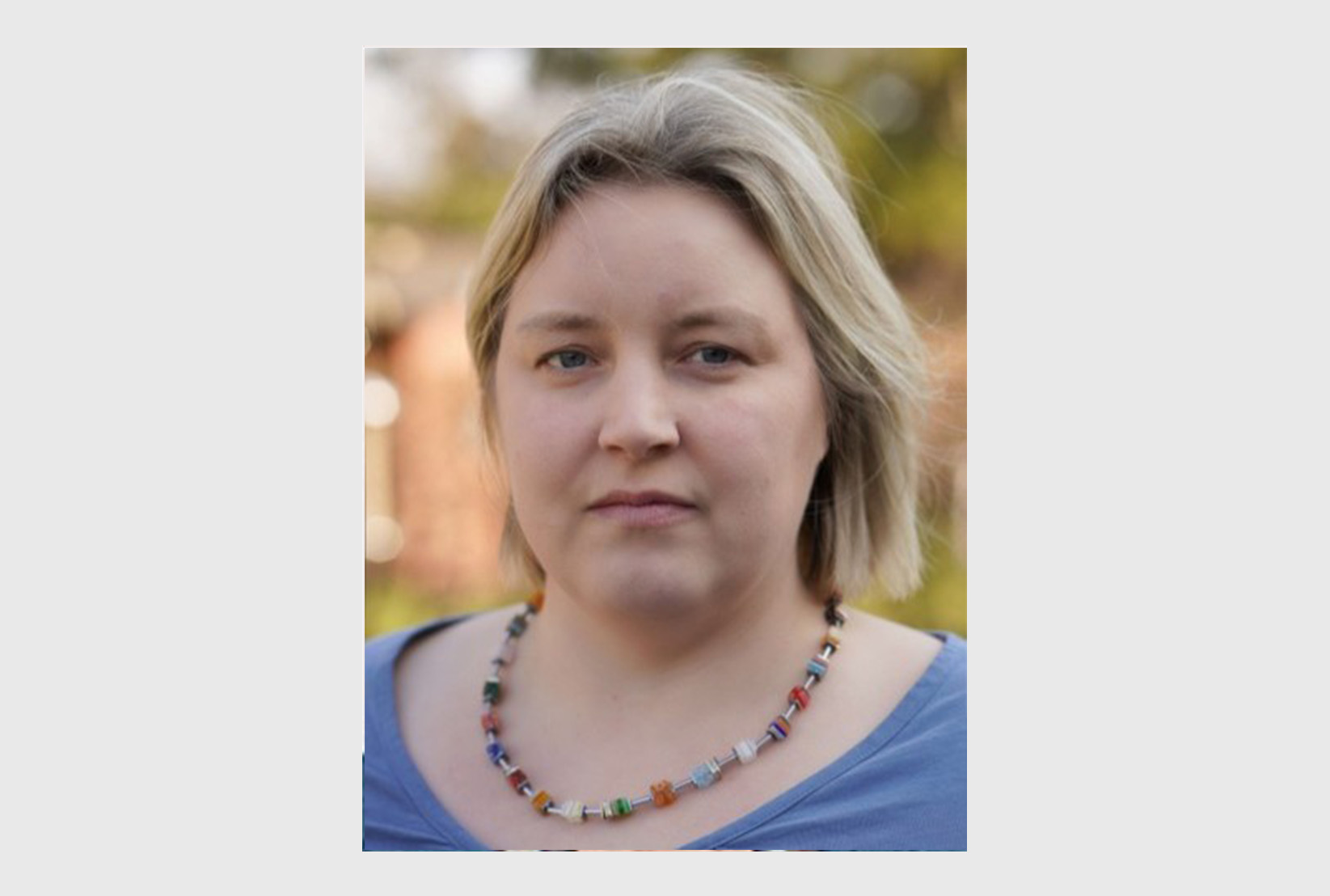 Sarah Ritter Wood K plus - Kompetenzzentrum Holz GmbH ........................................................................ Recycled wood processing: Effects on wood particle and particle-board performance by novel adaptive technologySarah Ritter
Start: 17:30
Recycled wood processing: Effects on wood particle and particle-board performance by novel adaptive technologySarah Ritter
Wood K plus - Kompetenzzentrum Holz GmbH
ABSTRACT
Although recovered wood has been used as a raw material in the particleboard industry for decades, producing particleboards from 100% recycled wood particles remains challenging due to heterogeneous particle geometry and reduced bonding performance.
This study investigates a pilot-scale adaptive cutting mill as an alternative to conventional hammermilling. Recycled wood chips from an industrial particleboard production line were processed, characterized, and used to manufacture single-layer particleboards.
The adaptive cutting mill increased suitable particle yield (97.4% vs. 86.1%) and generated particles with different morphology, resulting in higher internal bond strength (0.36 N/mm² vs. 0.23 N/mm²) without the density increase typically required for high recycled wood contents, while the modulus of rupture was slightly reduced compared to hammermilled-particle panels. The technology demonstrates potential for more resource-efficient particleboard production from recycled wood.
19:00 Evening reception at the invitation of Hywax GmbH
19:30 Welcome Speech
Friday, 16 October 2026
9:00 - 14:15 Presentations in the large conference room of the Grand Elysée Hotel
Session V | Developments
9:00 - 11:00
Chair: Larissa Kuntz (elka-Holzwerke GmbH)

-
 Thomas Walther AFRY Management Consulting ........................................................................ Market outlook 2027 - the shift in global tradeThomas Walther
Start: 9:00
Market outlook 2027 – the shift in global tradeThomas Walther
AFRY Management Consulting
ABSTRACT
The global wood-based panel industry is entering a period of profound structural change. Tariffs, geopolitical conflicts, economic uncertainty, and sustainability requirements are creating new challenges for European producers.
Recent US tariff policies have redirected global trade flows, increasing competitive pressure from Asian and South American suppliers into European markets. At the same time, China's economic slowdown and persistent overcapacity in furniture and panel-related industries continue to stimulate exports, putting downward pressure on prices and margins. On top of this, a weak recovery in the European construction and furniture demand and ongoing cost disadvantages compared with lower-cost producing regions are challenging our industry.
As the industry moves towards 2027 and beyond, success will depend on supply chain resilience, operational excellence, and the ability to adapt rapidly to an increasingly volatile global environment.
-
 Fabian Meinker Hywax GmbH ........................................................................ Synthetic nano wax dispersions - a way to meet increasingly challenging wood availabiltiy?Fabian Meinker
Start: 9:30
Synthetic nano wax dispersions – a way to meet increasingly challenging wood availabiltiy?Fabian Meinker
Hywax GmbH
ABSTRACT
The presentation will essentially deal with hydrophobic agents for the production of wood-based panels with difficult wood species and/or recycling wood. Current research results and data from the industry will be presented and the broader changes in the wax market will also be taken into account. Specifically, novel synthetic wax blends and their characteristic properties will be presented. Industrial applications demonstrate that the particle size distribution and the resulting specific surface area of the wax particles have a significant influence on performance. This connection is to be demonstrated because synthetic waxes can be processed into very fine nano dispersions compared to mineral oil-derived waxes. In addition to the basic feasibility, the economic and ecological interaction of the hydrophobic agents should also always be considered.
-
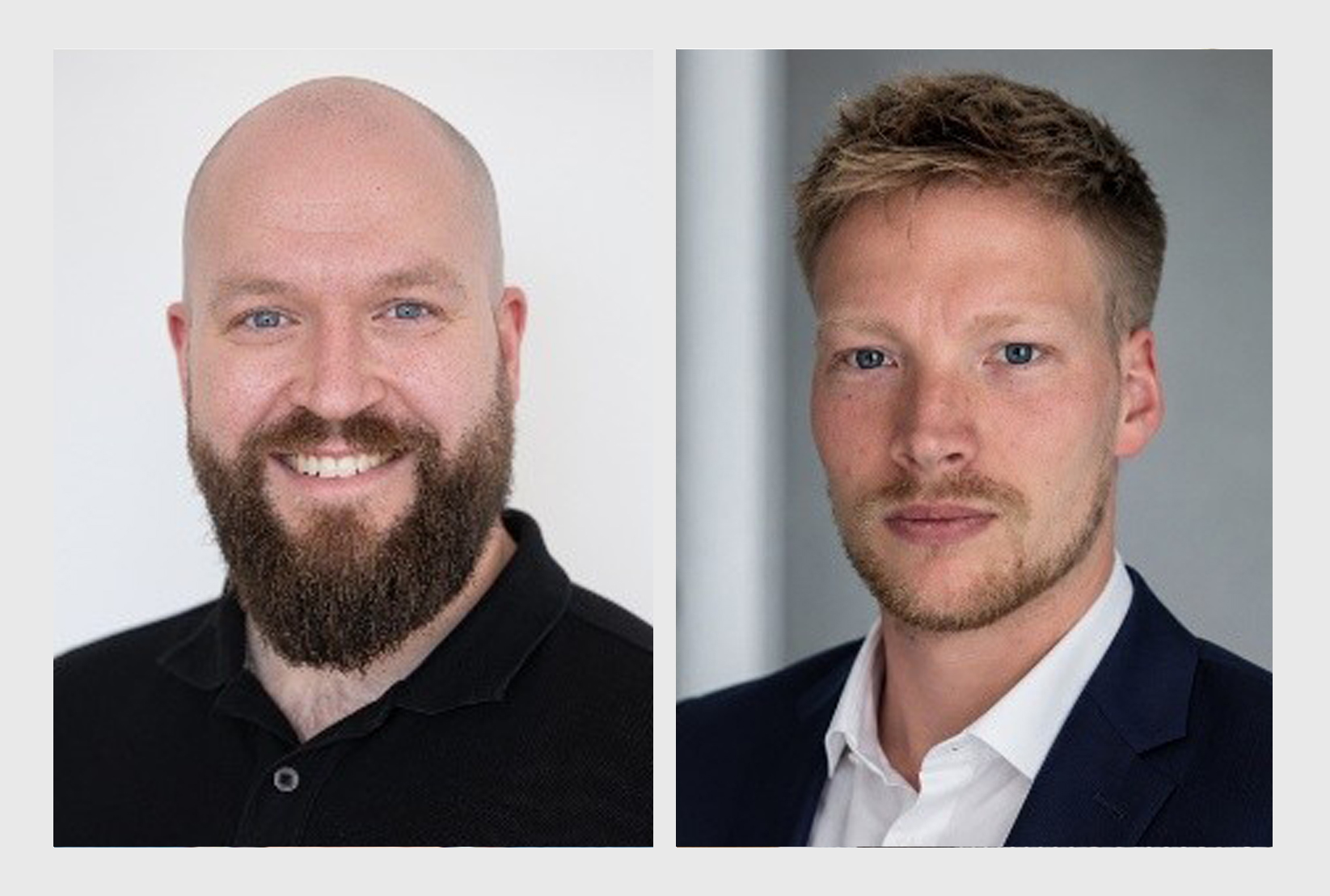 Wilke Pannbacker | Jan Weißmann Fagus-GreCon ........................................................................ From weight per unit area distribution to edge integrity: A holistic approach to process controlWilke Pannbacker | Jan Weißmann
Start: 10:00
From weight per unit area distribution to edge integrity: A holistic approach to process controlWilke Pannbacker and Jan Weißmann
Fagus-GreCon
ABSTRACT
Process optimization and automated control are becoming increasingly important in the wood-based panel industry. Two key inline quality parameters are weight per unit area and raw edge quality.
Weight per unit area is measured continuously across the full mat width using an X-ray system that also detects foreign objects. The data provides information on distribution, standard deviation, and local minimum values. Combined with segmented material removal, fluctuations in weight distribution can be reduced, setpoints lowered, and sanding allowances minimized. This leads to a more stable pressing process, lower maintenance requirements, and material savings of up to 4.5% in reference applications.
Raw edge quality is monitored through inline porosity measurement and 3D edge inspection. Density variations can indicate spreading, pressing, or sawing problems and enable early corrective action. GreCon EDGEINSPECT captures edge geometry, derives objective quality parameters, and transfers the results directly to the process control system for continuous monitoring.
-
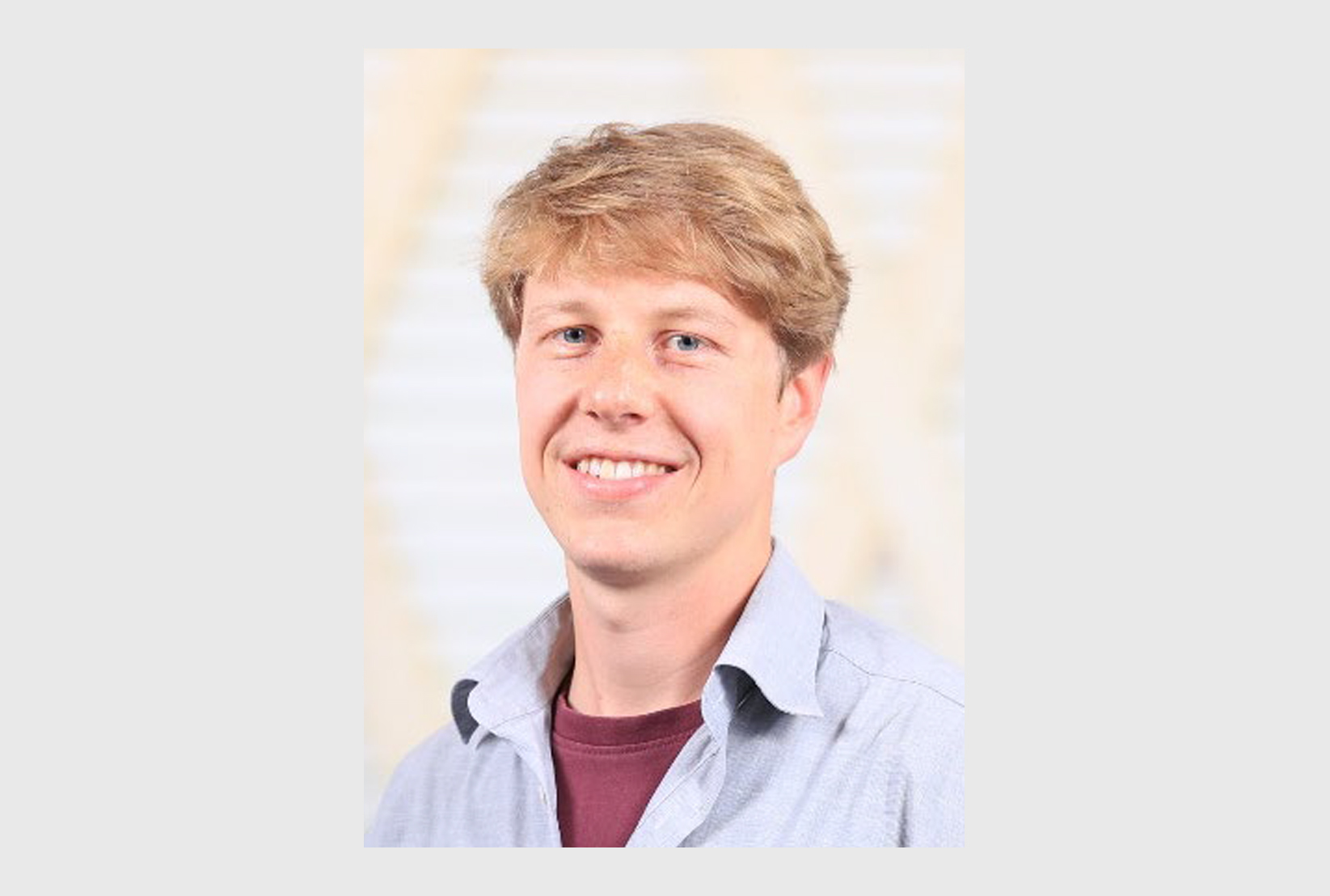 Paul Röllig Institut für Holztechnologie Dresden gGmbH ........................................................................ Alternative heating concepts for thick and leightweight wood-fibre insulation materialsPaul Röllig
Start: 10:30
Alternative heating concepts for thick and leightweight wood-fibre insulation materialsPaul Röllig
Institut für Holztechnologie Dresden gGmbH
ABSTRACT
Conventional hot air or steam-assisted heating processes for thick and lightweight wood-fibre insulation materials are limited in the temperatures that can be achieved efficiently throughout the product. Thus, specified binders are required but leading to increased manufacturing costs. This creates a need for alternative processing approaches that enable a more effective energy input into the material without the necessity of hot air- or steam provision.
High-frequency heating offers a promising alternative in this context, as the temperature level can be controlled more flexibly and significantly higher temperatures can be reached within the material.
This contribution presents the investigation of a dielectric heating approach for the manufacturing of wood-fibre-based insulation materials. The study focuses on the general suitability of this technology for lightweight insulation products and examines its potential for different product concepts. The results indicate that dielectric heating can support the production of both rigid and flexible insulation materials and offers promising perspectives for the processing of thicker structures.
The work further highlights that process behaviour is influenced by material-related and product-related parameters and therefore requires careful adaptation to the respective application. At the same time, the study contributes to further insights into the processing of high frequency technology especially for the use case of lightweight wood fibre insulation with high thickness and shows the efficiency of this certain technology.
Overall, the results provide evidence that the dielectric heating is an efficient process to manufacture lightweight wood fibre insulation materials with various specifications. This underlines the relevance of HF technology for future application-oriented research approaches.
11:00 Coffee Break and Poster Session
Session VI | Binder Systems & Raw Materials
12:00 - 14:15
Chair: Dirk Berthold (Fraunhofer WKI)
-
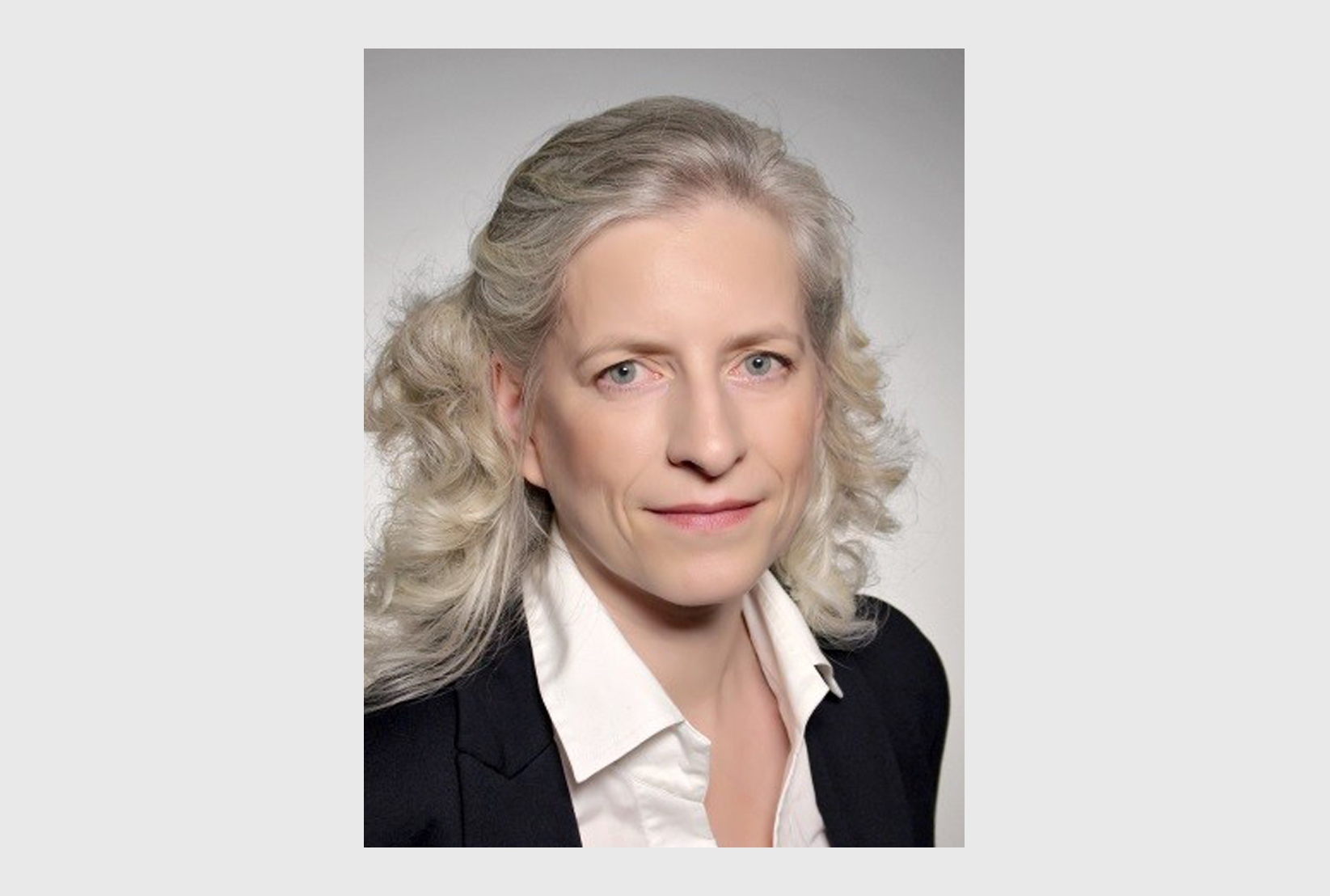 Carola Schulzke Universität Greifswald ........................................................................ UrbanForest – a project to make the analysis of waste wood for contamination faster, easier, and more sustainableCarola Schulzke
Start: 12:00
UrbanForest – a project to make the analysis of waste wood for contamination faster, easier, and more sustainableCarola Schulzke
Universität Greifswald
ABSTRACT
Wood is economically important, while forests are needed as biotopes and carbon dioxide sinks. A circular economy and cascade use are therefore enormously relevant in the field of wood processing. The aim of UrbanForest was and is to support the recycling of used wood by research into alternative analytical methods for the quantification of contaminants as required by regulators (i.e.: Deutsche Altholzverordnung). For metals heavier than argon and chloride X-ray fluorescence analysis (XRF) was chosen as it allows the simultaneous analysis of all relevant metals in a solid state (!) and does not require particular chemical training. For the lighter elements and organic hazards we investigated Nuclear Magnetic Resonance Spectroscopy (NMR) as alternative to currently applied analytical protocols. XRF emerged to have significant practical, economic and ecologic advantages compared to the state-of-the-art, while NMR can be also successfully applied albeit not necessarily in a SMB setting.
-
 Bitta Nilsson Stora Enso ........................................................................ The forest's own glue: Lignin-based binder systems for a formaldehyd-free future in wood panelsBitta Nilsson
Start: 12:30
The forest's own glue: Lignin-based binder systems for a formaldehyd-free future in wood panelsBitta Nilsson
Stora Enso
ABSTRACT
The Forest’s Own Glue: Lignin-Based Binder Systems for a Formaldehyde-Free Future in Wood Panels
The wood-based panel industry is facing increasing pressure to reduce emissions and fossil-based content, driven by tightening regulation and growing demand for healthier and more sustainable materials. The new EU formaldehyde emission limits under REACH, entering into force in 2026, are further accelerating the need for alternative binder technologies.
Lignin, a natural polymer found in wood, has an inherent binding function and offers a renewable alternative to conventional fossil-based binder components. Recent advances in lignin processing and binder chemistry are enabling the development of fully formaldehyde-free binder systems suitable for wood-based materials.
This presentation will explore how lignin-based binders are moving from innovation toward industrial application. Results from industrial-scale trials demonstrate the potential to deliver reliable performance while integrating into existing manufacturing processes without major equipment modifications.
Beyond regulatory compliance, lignin-based binders offer an opportunity to strengthen the bio-based value proposition of wood panels, reduce reliance on fossil-derived chemicals and make more efficient use of renewable raw materials.
By connecting regulatory developments, material innovation and industrial implementation, the presentation will demonstrate how the forest’s own glue can help enable the next generation of formaldehyde-free, bio-based wood materials.
-
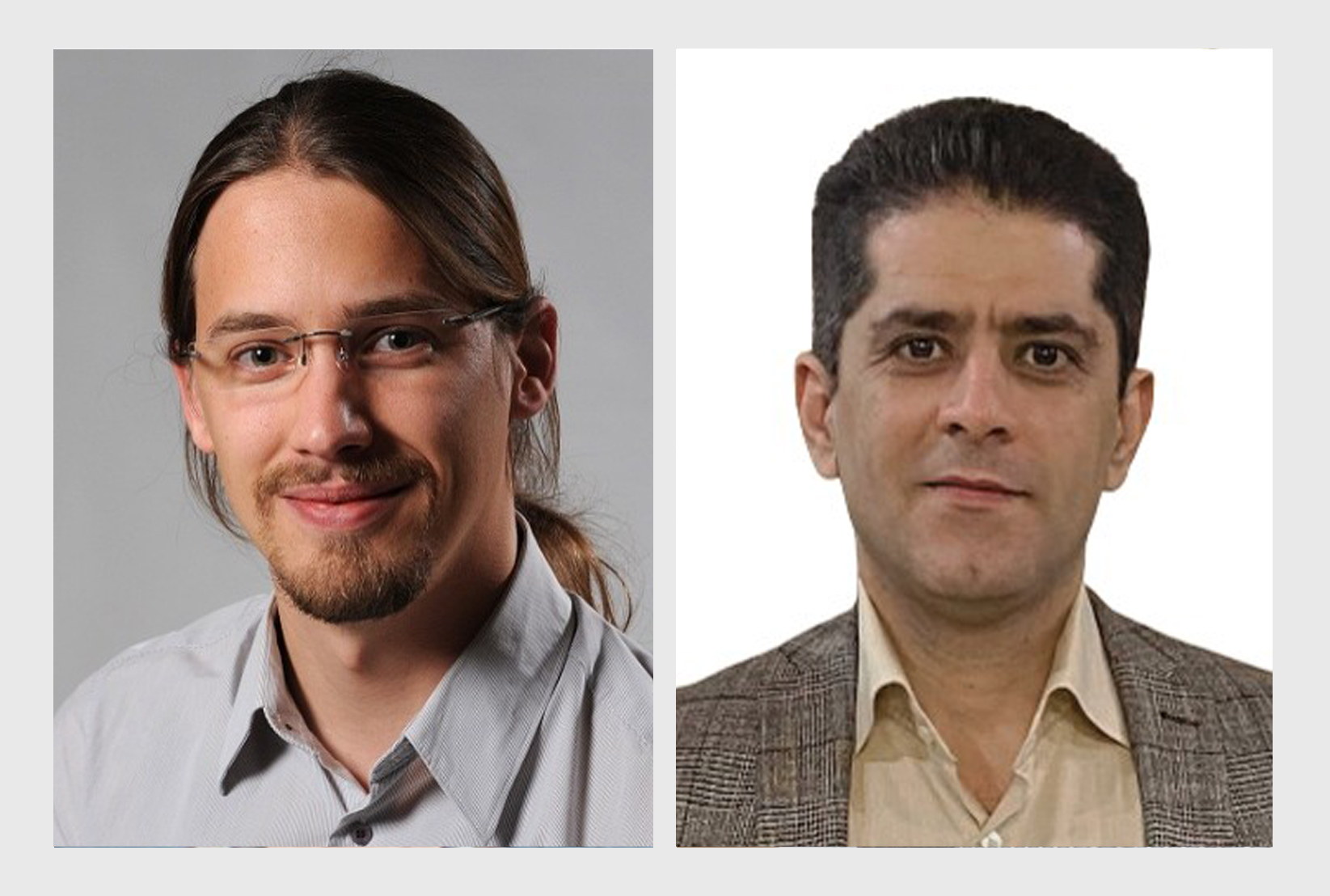 Michel Schenker | Ali Shalbafan Omya International AG | Bern University of Applied Sciences ........................................................................ Mineral binder for wood-based panels: Technical, environmental and economic analysisMichel Schenker | Ali Shalbafan
Start: 13:00
Mineral binder for wood-based panels: Technical, environmental and economic analysisMichel Schenker
Omya International AGAli Shalbafan
Bern University of Applied Sciences
ABSTRACT
The sustainability of wood-based panels (WBP) is heavily influenced by the binder, with today’s fossil-based binders responsible of more than 40% of the CO₂ emissions and problematic formaldehyde release for human health. Mineral binders offer a promising alternative, reducing CO₂ emissions significant compared to fossil-based adhesives like urea formaldehyde (UF). Within an Innosuisse funded research project, Omya International AG together with BFH’s Institute for Building Materials and Biobased Products developed a mineral binder for WBP production that works with short press cycles. To confirm the scalability of the developed binder and its properties, plywood was manufactured using conventional hot press technology. The details of the technical, environmental and economic performance of the binder itself and resulting plywood panels will be presented at the 14th European Wood-based Panel Symposium in Hamburg.
-
 Filip Majstorovic Fraunhofer WKI ........................................................................ Mineral-bonded panels based on wood and fibers: Current research activitiesFilip Majstorovic
Start: 13:30
Mineral-bonded panels based on wood and fibers: Current research activitiesFilip Majstorovic
Fraunhofer WKI
ABSTRACT
Portland cement is the predominant inorganic binder for wood-based panels due to its availability and low cost. However, its compatibility strongly depends on wood species, as water-soluble extractives can inhibit cement hydration and impair panel performance. This is particularly relevant for hardwoods, which generally contain higher levels of extractives and are gaining importance in Europe as climate change reduces the availability of spruce. This study evaluates calcium aluminate cement (CAC) as an alternative binder for wood particleboards produced from spruce, poplar, and beech particles. Owing to its different hydration mechanism, CAC is hypothesized to be less susceptible to inhibition by wood extractives. To improve sustainability and reduce costs, biomass combustion ashes were investigated as partial replacements for CAC while serving as reactive components of the mineral binder.
-
Kris Wijnendaele European Panel Federation ........................................................................ Closing wordsKris Wijnendaele
Start: 14:00
Closing wordsKris Wijnendaele
European Panel Federation -
Raoul Klingner Fraunhofer WKI ........................................................................ Closing wordsRaoul Klingner
Start: 14:00
Closing wordsRaoul Klingner
Fraunhofer WKI
14:15 End of the symposium and lunch at the hotel or packed lunch according to choice.
(Subject to change without prior notice.)
The presentations will be simultaneously translated into German and English.
The conference participants will be provided with the presentation transparencies as well as the abstracts in English together with the conference documentation.