Excursions
On Saturday, April 3, 2027, conference participants can choose from a range of excursions. Please find further information about the available options below.
Participants are asked to select their preferred excursion during conference registration. As places are limited due to transportation arrangements and the capacity of individual venues, advance registration is required.
The University of Tübingen as a place of critical knowledge production
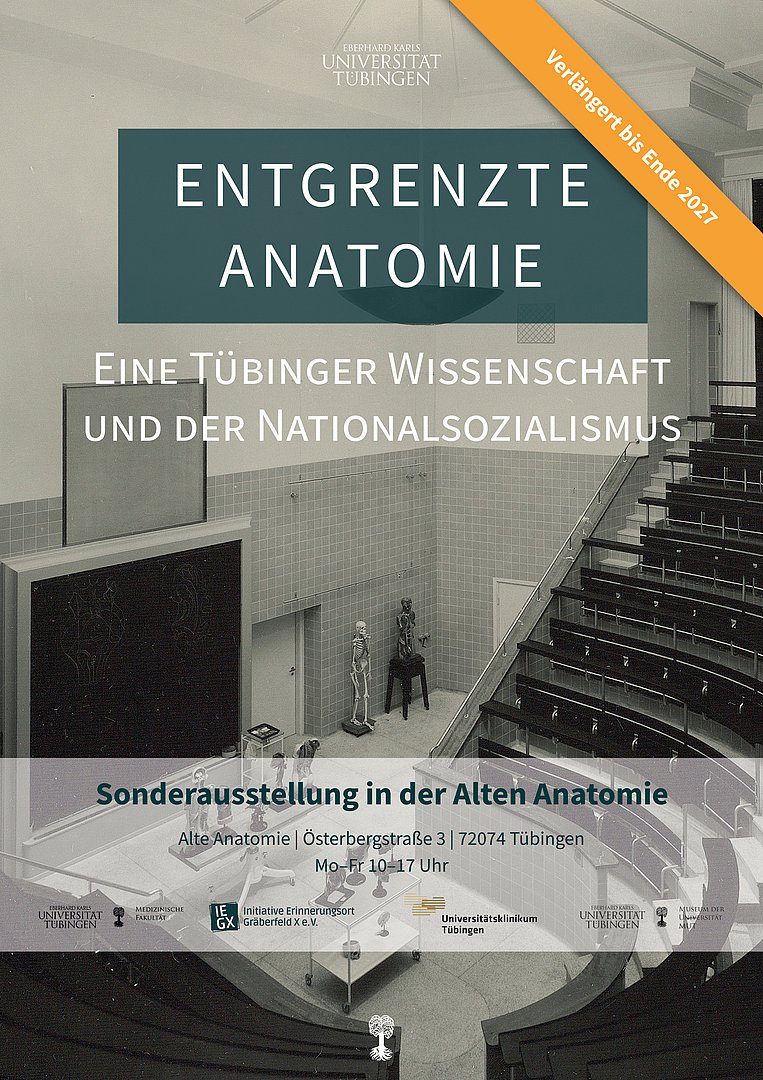
In line with our conference theme, this excursion focuses on the University of Tübingen as a place of problematic knowledge production. It includes two visits that are particularly relevant for our local context: We will first have a guided tour at the exhibition “Anatomy Unbound” which addresses how bodies of victims of the Nazi regime were exploited for medical research and teaching during the time of National Socialism – the exhibition is located in the Old Anatomy Building right where these atrocities took place. The tour also includes a critical reflection on how knowledge gained and imparted under these circumstances has remained ‘effective’ far beyond 1945. The second visit is about animal testing, which was heavily criticized around a decade ago when the conditions of research involving apes at the extramural Max Planck Institutes became public knowledge. Experts from the University of Tübingen who deal with this issue on a daily basis, both in terms of ethical reflection and practical implementation, will use case studies to introduce us to tightened legal requirements and new methods following the 3Rs principle (replace, reduce, refine), and to discuss where they consider animal testing unavoidable until today.
Links:
- Exhibition: Anatomy Unbound – A Tübingen Science and National Socialism
- Information on Research Involving Animals at the University of Tübingen
As we will be staying in Tübingen, we will first have lunch at the conference venue together and then head to the two visits, covering the necessary distances by public bus and on foot. Walking is limited to a few steps.
The event ends around 18:00, all evening services can be attended.
Bebenhausen Monastery and Palace. An extraordinary Ensemble in an idyllic setting
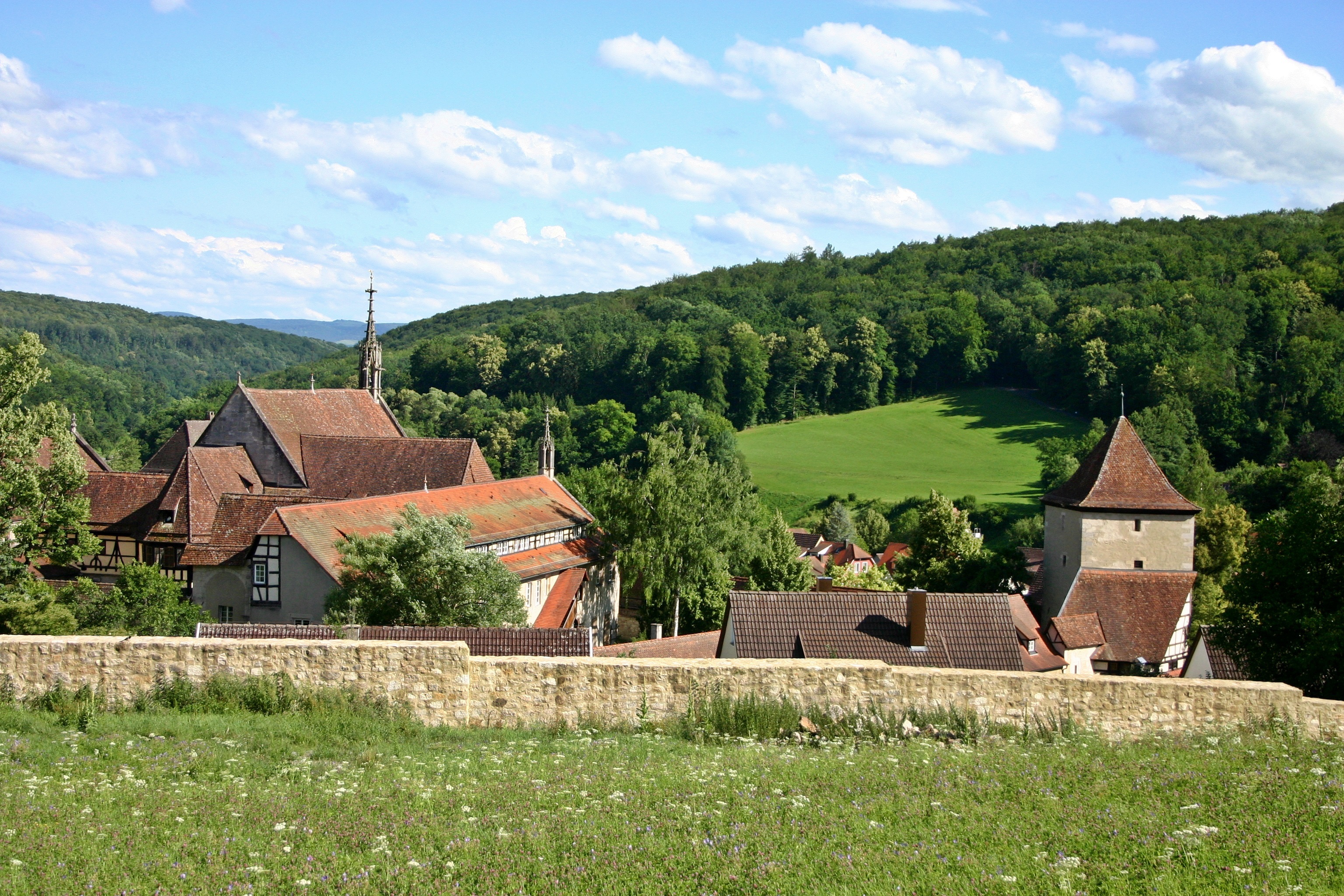
The Medieval monastery complex of Bebenhausen is nestled in the gently rolling hills of the Schönbuch nature reserve. Some of its buildings were converted into a royal hunting palace in the 19th century.
The place is not far from Tübingen. We will take the bus directly to the monastery complex (approx. 15 minutes from Tübingen) and spend half a day there. Bebenhausen is one of the oldest Cistercian monasteries. Parts of the medieval monastery were converted into a castle in the 19th century, where the last royal couple of Württemberg later spent their twilight years. We will have an informative and exciting tour there given by Andreas Holzem, a church historian.
Links:
Maximum capacity: 25 participants
Memorial Grafeneck – Guided Tour
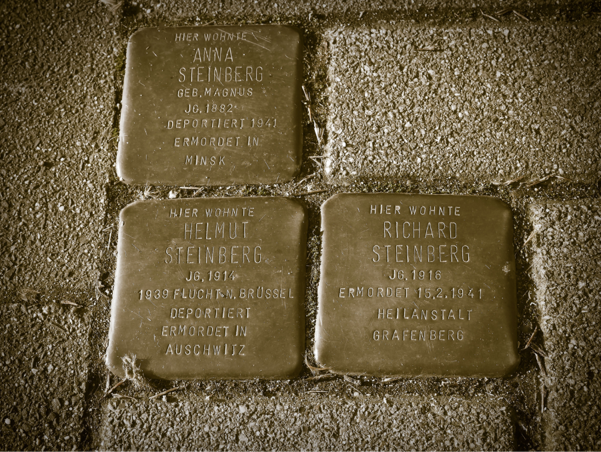
From January to December 1940, over 10,600 people were murdered in Grafeneck. The victims came from care and nursing institutions as well as psychiatric clinics from different parts of Germany. After the killings ended in the winter of 1940/41, Grafeneck was used for the 'Kinderlandverschickung,' later by the French occupation authorities, and in 1946/47 it was returned to the Samaritan Foundation. The disabled people who had been expelled from Grafeneck at the start of the war and survived were allowed to move back into the castle. Since then, Grafeneck has again been a place used by the Samaritan Foundation—living space, home, and workplace for disabled and mentally ill men and women.
Today it is the central place of remembrance and commemoration for the victims of the National Socialist 'euthanasia' crimes in southwestern Germany, and thus a place of individual mourning and collective remembrance for many thousands of people.
Links:
Maximum capacity: 60 participants (2 groups of 30)
Stuttgart: Cars, Climate, Transformation
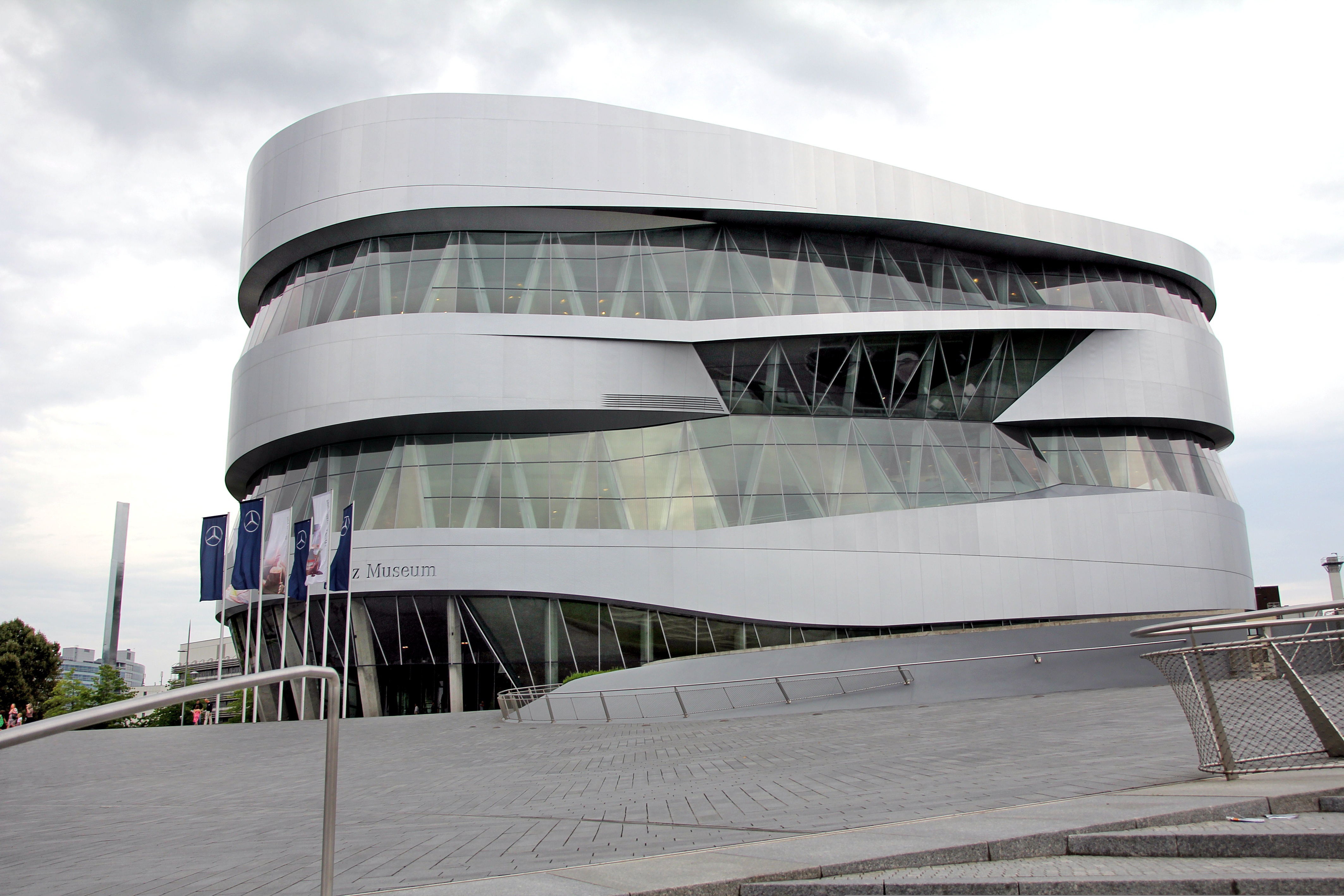
During the excursion to Stuttgart, the group explores the topics of climate resilience, mobility, and urban transformation. The visit begins with a guided tour of the Mercedes-Benz Museum, where participants learn about the history of automobile culture and its importance for Stuttgart’s identity and economic development. Afterwards, the group takes part in a discussion at the State Academy of Fine Arts Stuttgart, where researchers examine how the city can adapt to social and environmental challenges and shape a sustainable transformation for the future.
We will travel to Stuttgart and back by bus (approximately 2 hours total travel time by bus); we expect to return around 6:00 p.m.
Links:
Maximum capacity: 40 participants
Reconstructing Knowledge About the Nazi Era – The Central Office for the Investigation of National Socialist Crimes / Plus: Ludwigsburg’s Residential Palace
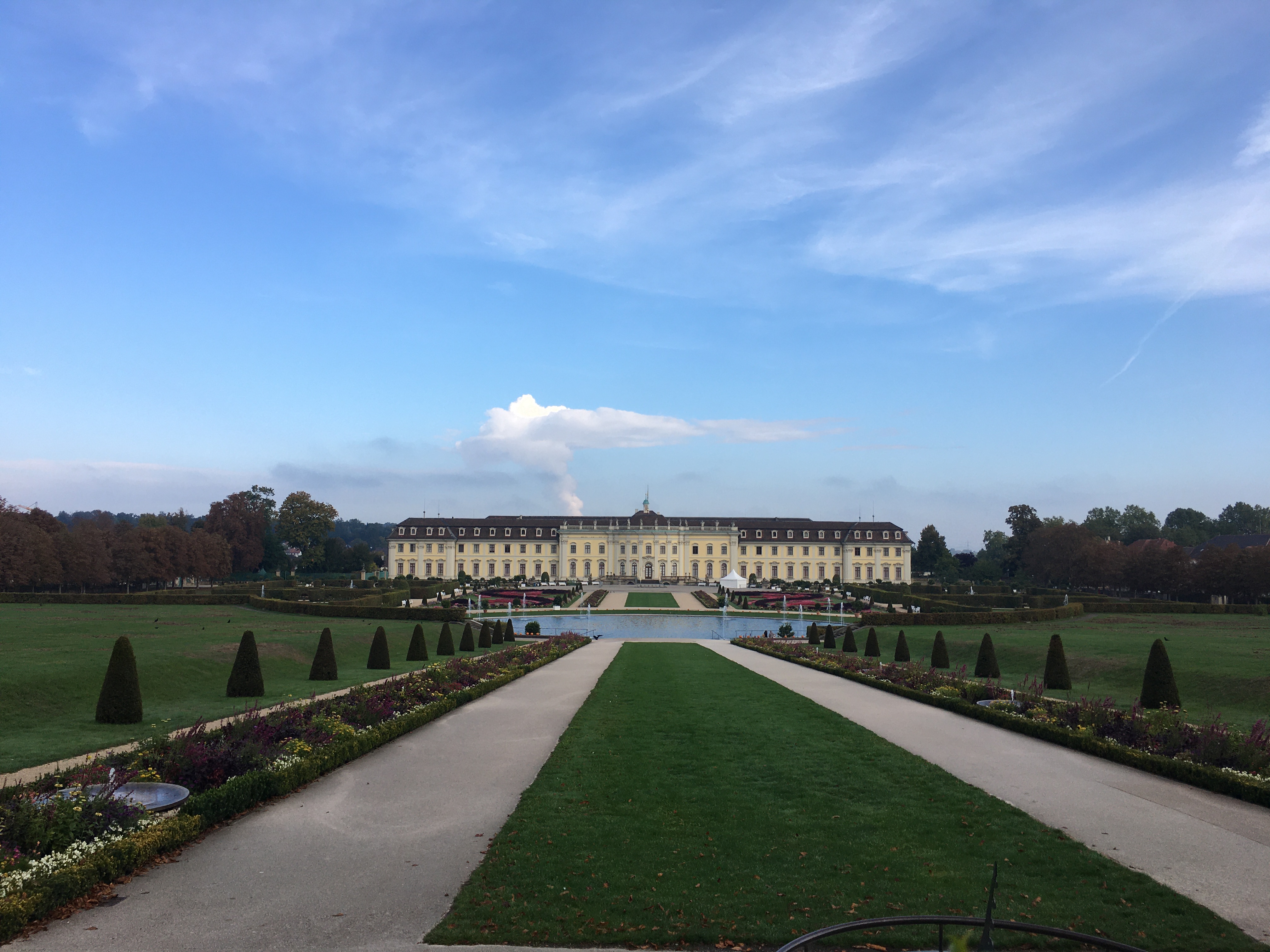
We’ll take the bus to Ludwigsburg, about an hour away. First, we’ll visit one of the most important sites for coming to terms with the Nazi era: the “Central Office of the State Justice Administrations for the Investigation of National Socialist Crimes.” There, knowledge that had been obscured was reconstructed—and especially in the early years, their work was (con)tested in many ways. We will be received for a discussion by the head of the agency, Chief Public Prosecutor Thomas Will. Following that, we will be given a guided tour of the museum by Alexander Geßmann from the Central Office’s Friends Association. Afterward, we will change the subject—and learn why Ludwigsburg is also called “the Baroque City.” We’ll visit the over 300-year-old but superbly preserved Residential Palace and, during a guided tour, are able to view, among other things, the (former) Duke’s apartment.
Links:
Please note:
- In Ludwigsburg, we’ll walk about 1.5 km from the Central Office to the Residential Palace.
- Unfortunately, we won't be back in Tübingen in time for the church services.
Maximal capacity: 25 participants
Cyber Valley – A critical Tour to European AI and Robotics Research
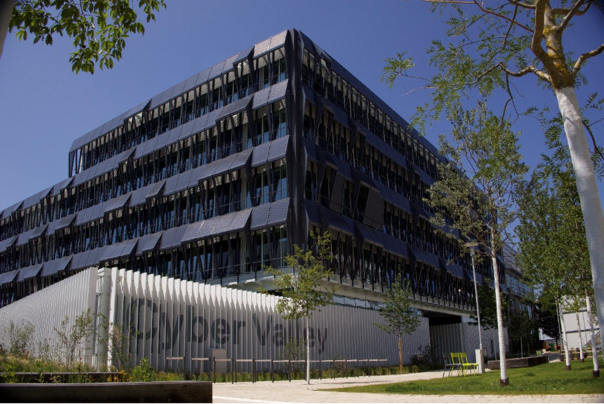
The Cyber Valley in Tübingen is Europe’s largest and leading center for excellence in AI and modern robotics. What's interesting is that the “valley” is located on a hill above the historic city, in a newly developed neighborhood. Research departments, big business companies like amazon, BMW or Mercedes Benz and Startups are critically supported by a Public Advisory Board, monitoring the societal impacts and transformations. One can see it as attempt to establish own dynamics by European law and values.
We will gather first at the central hall for an introduction to the Cyber Valley. After that we will have a guided tour to some of the main Players on Cyber Valley. At the end we meet Prof. Regina Ammicht-Quinn, scholar in Theological Ethics and head of the Public Advisory Board to share our impressions and listen to a more critical stance on AI, Robotics and the Tech-Economy.
Links:
As we will be staying in Tübingen, we will first have lunch at the conference venue and then head to Cyber Valley, covering the necessary distances up the hill by public bus.
The event ends around 18:00, all evening services can be attended.
Learning Site History Stuttgart – Guided City Tour “Guest Workers”
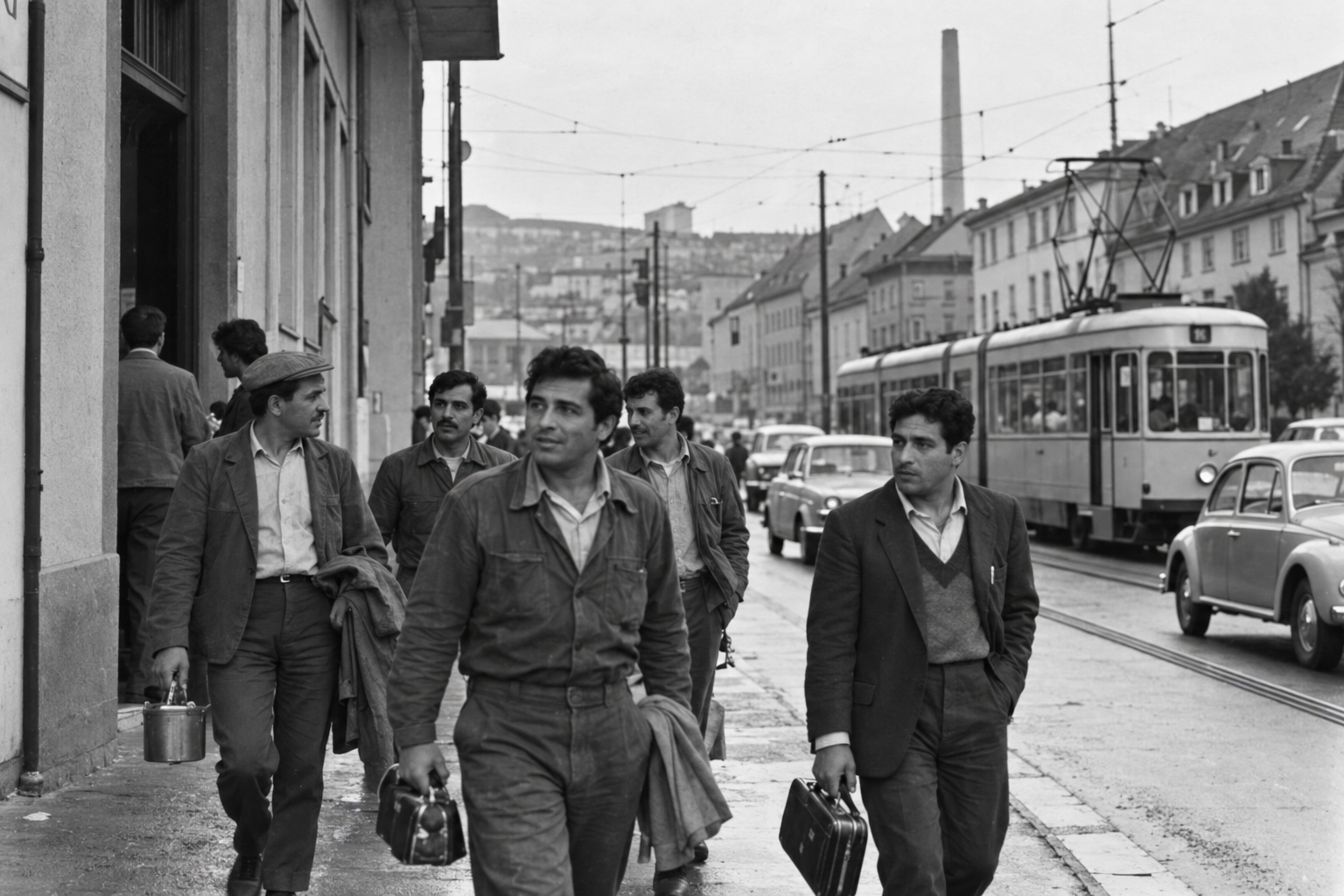
This guided city tour explores the history of the so-called “guest workers” who came to Germany between 1955 and 1973 through bilateral labour recruitment agreements and made a significant contribution to the country’s post-war economic development. The tour takes participants to key historical sites in Stuttgart-Bad Cannstatt and addresses the everyday realities of migrant workers, including working and housing conditions, experiences of racism and discrimination, cultural self-organisation, and the lasting impact of migration on German society. It also reflects on questions of public memory and how the history of labour migration is remembered today. The tour is led by experienced guides from Lernort Geschichte and offers an opportunity to engage critically with migration history.
Links:
Travel information:
As we will be staying in Tübingen, we will first have lunch together at the conference venue and then travel by regional train to Stuttgart-Bad Cannstatt. The journey takes approximately one hour. From the station, the meeting point at Wilhelmstraße 10, near Wilhelmsplatz in Bad Cannstatt, can be reached on foot or by public transport. The guided tour usually lasts between 1½ and 2 hours, depending on the intensity of the discussions and the number of questions raised by participants. The tour ends at Heinrich-Ebner-Straße 2.
Walking distance:
Approximately 2 km. Participants are advised to wear comfortable, weather-appropriate footwear and clothing and to bring water if needed.
Expected return:
The excursion concludes in the afternoon (approximately 15:00), allowing sufficient time to return to Tübingen. All evening services can be attended.
Additional Excursions (Optional)
In addition to the excursions included in the conference programme and covered by the registration fee, we offer further optional excursions before and after the conference. These activities require separate registration and are not included in the conference fee. Further details on these excursions can be found below.
Optional Pre-Conference Guided Tour of Tübingen
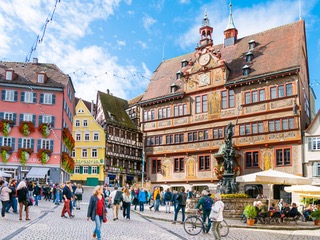
For participants arriving early who would like to explore Tübingen before the conference begins, we offer an optional guided walking tour of the historic city centre.
Optional Post-Conference Excursion to Ulm
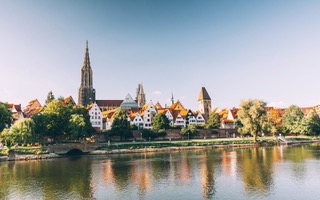
As an additional excursion on the day following the conference, we invite you to join us for a day trip to Ulm. We will travel by train and take a guided tour of the historic old town in the late morning, discovering some of Ulm’s history, architecture and landmarks.
After an individually organised lunch break, we will meet again for a guided tour of Ulm Minster, famous for its impressive architecture and the tallest church tower in the world.
Please note that the programme involves several walks through the city, so participants should be comfortable walking longer distances and wear suitable footwear. All costs for the excursion, including train travel, meals and admission fees, must be covered by the participants themselves.